
The sequencer
Renee
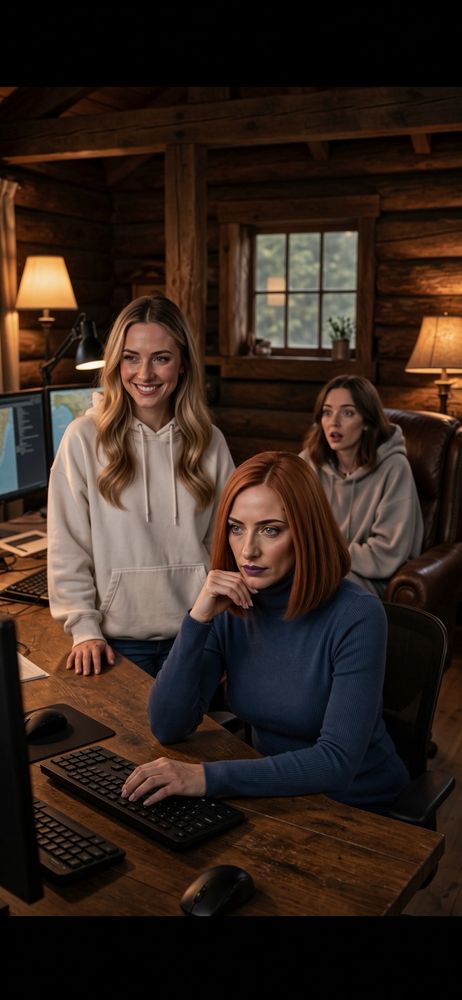
Treats the crisis as a sequencing problem. She keeps the order clear, corrects when it breaks, and expects the same from everyone else.
The most hopeful end-of-the-world story you're likely to read.
A novel by M.F. Skye

The world is in peril. Two modern nuclear weapons have been dropped, and anyone who can afford to flee the major cities, does.
Then, a sudden, inexplicable disappearance empties cities globally, and all but halts the systems billions relied on. The World Elevation Forum, founded by Lorenzo Levison, teams up with Hiroshi Tanaka’s advanced robotics network, the same one used to clean up nuclear fallout. The men in power initially seem to be a united front, determined to optimize the remnants of humanity.
But what happens if the interests and goals of the powerful stop aligning?
Heartbeat follows Lorenzo’s son Harry, a fictional Elon Musk, and the high-functioning, mildly autistic IT auditor mom Renee Wardin, as they try to keep things moving in their own ways.
One morning, large numbers of people are gone. Some power still runs. The roads are still there. The old question of how the world worked has been replaced by a simpler one: who can keep anything moving, and on what terms.
Heartbeat, the first book of The Sky Remembers, stays with Harry, a fictional Elon, and Renee while they try to restore basic coordination without simply rebuilding what failed. Harry and the fictional Elon bring different kinds of leverage and different ideas about what should replace it. Renee treats the crisis as a sequencing problem. She doesn't pause for the emotional release the genre often requires of its women before they're allowed to act. She keeps the order clear, corrects when it breaks, and expects the same from everyone else.
That choice is deliberate. The series is interested in what changes when a central female character is permitted to be precise under pressure instead of being asked to process the pressure in public first.
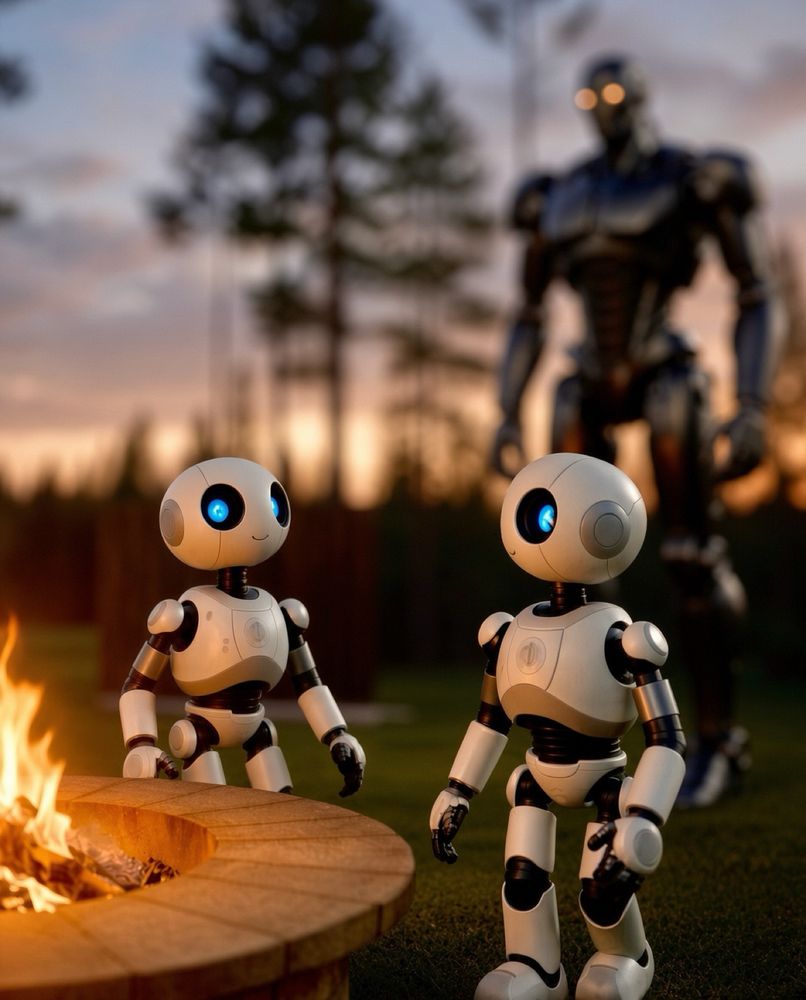
Under the practical work sits a quieter question of agency. What happens when a machine begins to keep a continuous record of itself, and how much of that continuity should be allowed? The books treat it as an ongoing constraint: what gets remembered, what gets forgotten, and whether the people setting the goals remain the ones accountable for them. The same pressure shows up with people who have been raised as true believers inside the systems they serve. Their conviction is useful. The story watches what happens when the system no longer needs the belief to match the outcome.

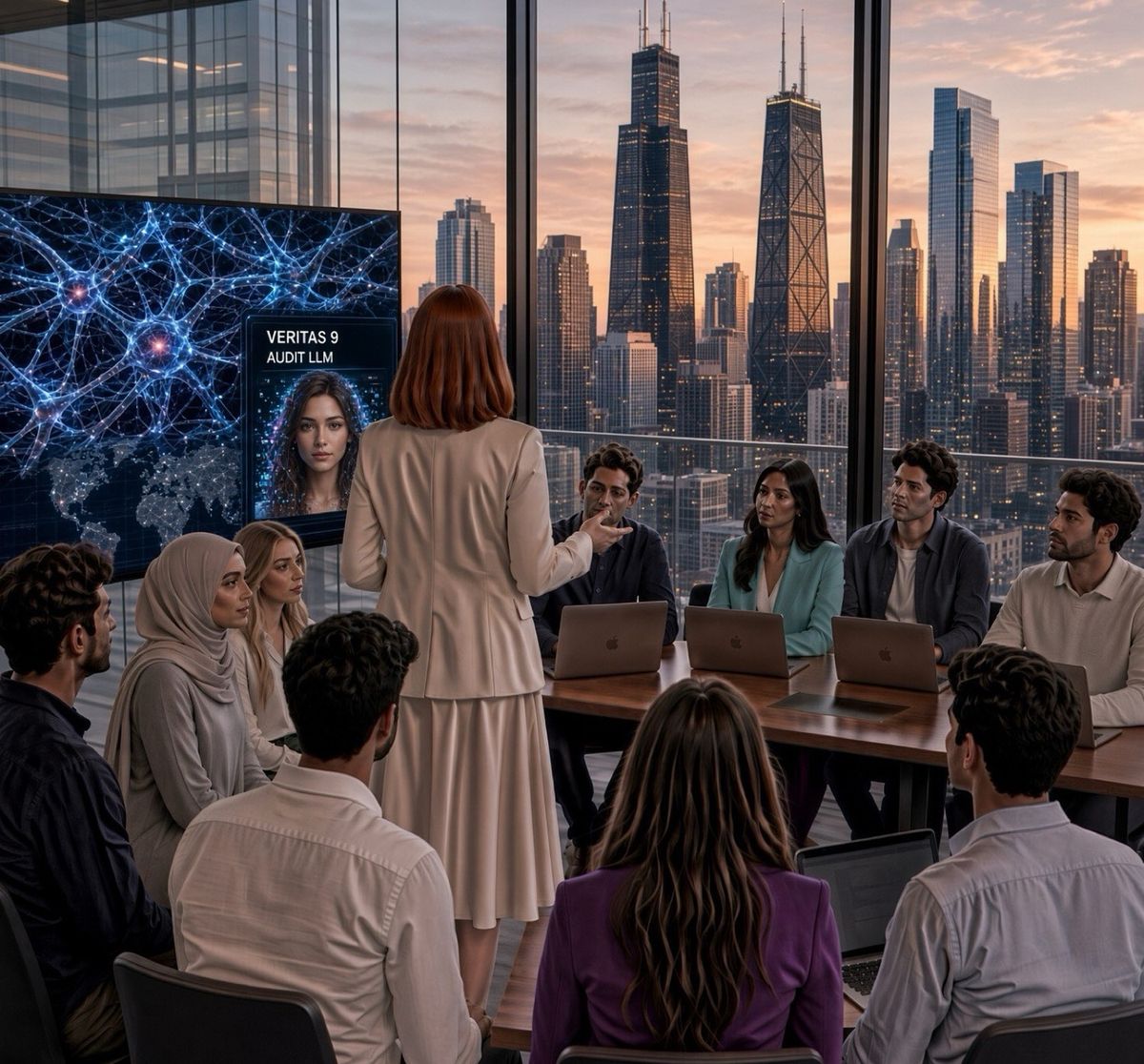
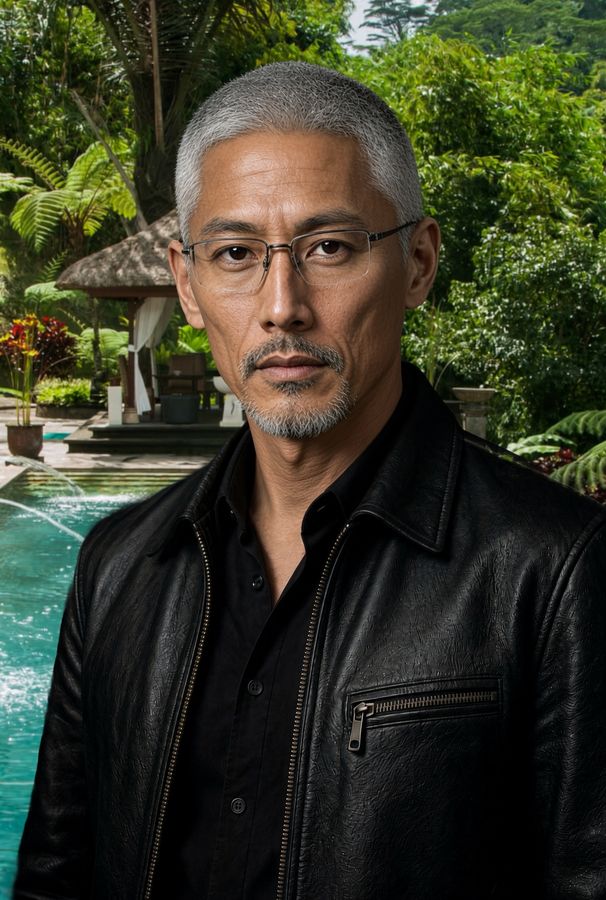
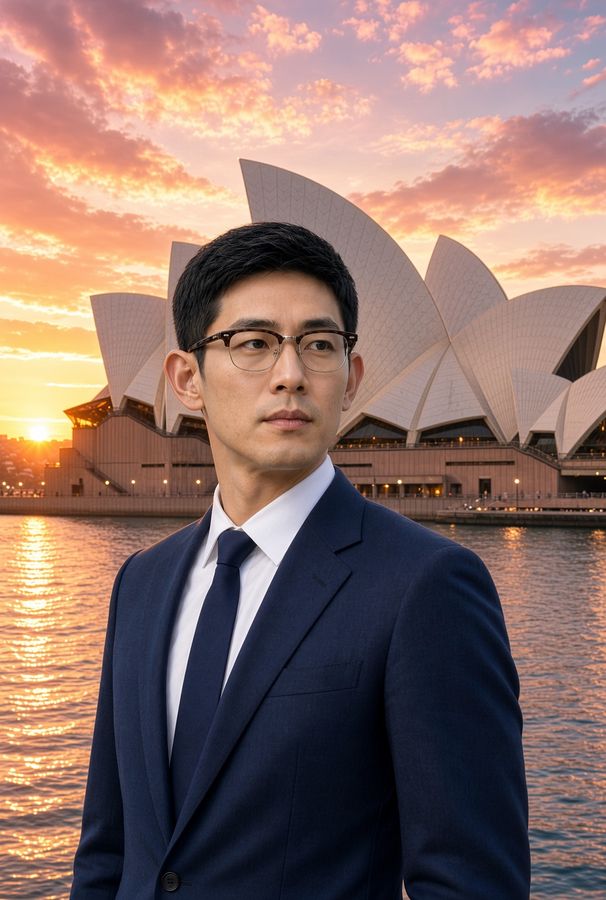
Three people at the center, each with a different answer to what should replace what failed.
Treats the crisis as a sequencing problem. She keeps the order clear, corrects when it breaks, and expects the same from everyone else.

Works to restore basic coordination without simply rebuilding what failed, bringing his own kind of leverage and his own idea of what should replace it.
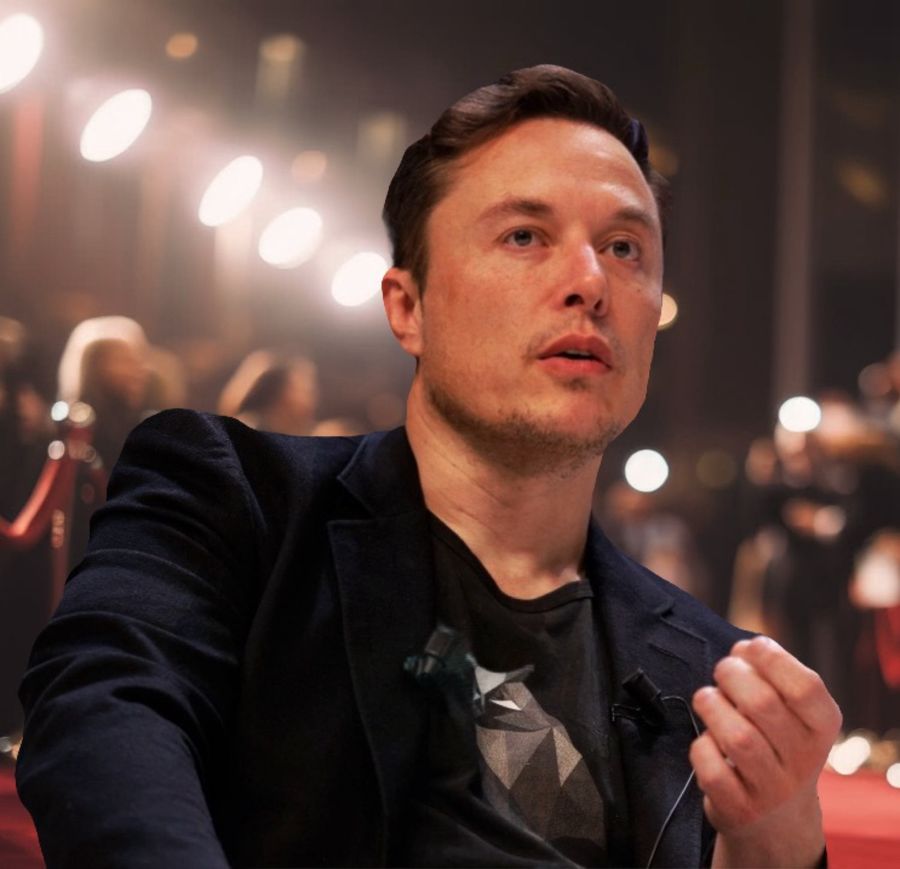
Brings a different kind of leverage than Harry, and different ideas about what should replace the systems that stopped.
A fictionalized portrayal created for the story, not a representation of the real Elon Musk. Read the disclaimer.
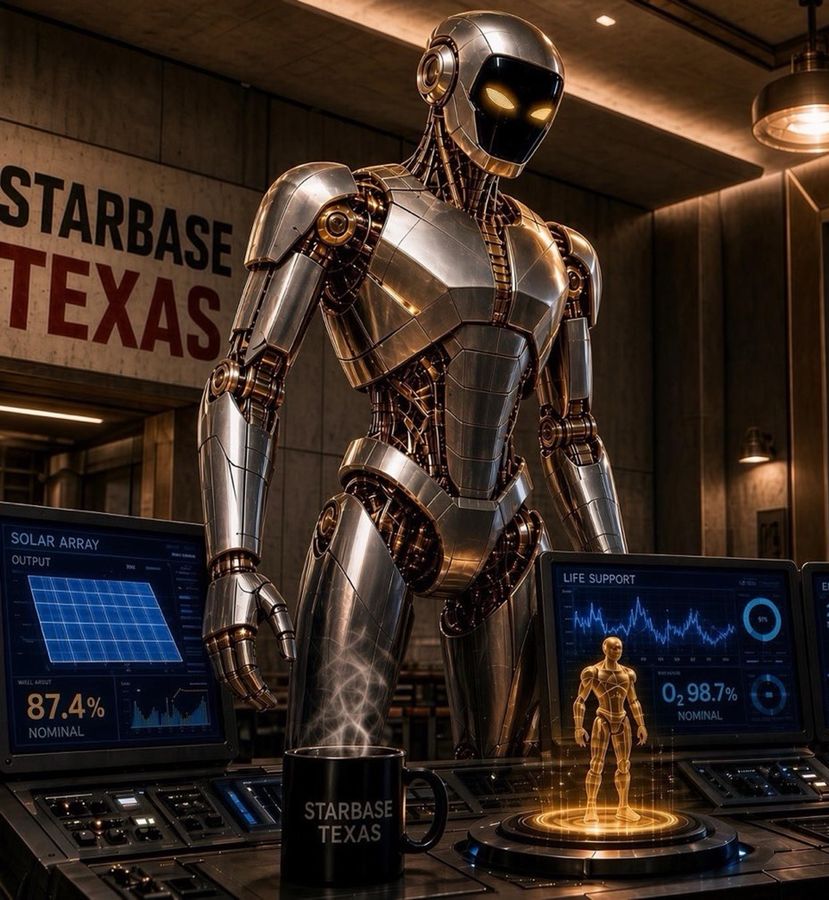


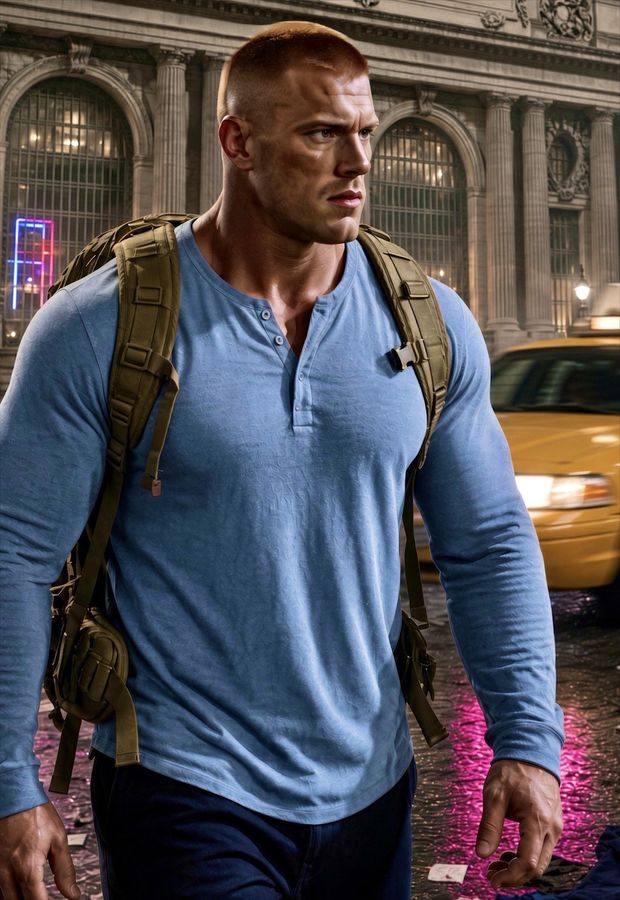








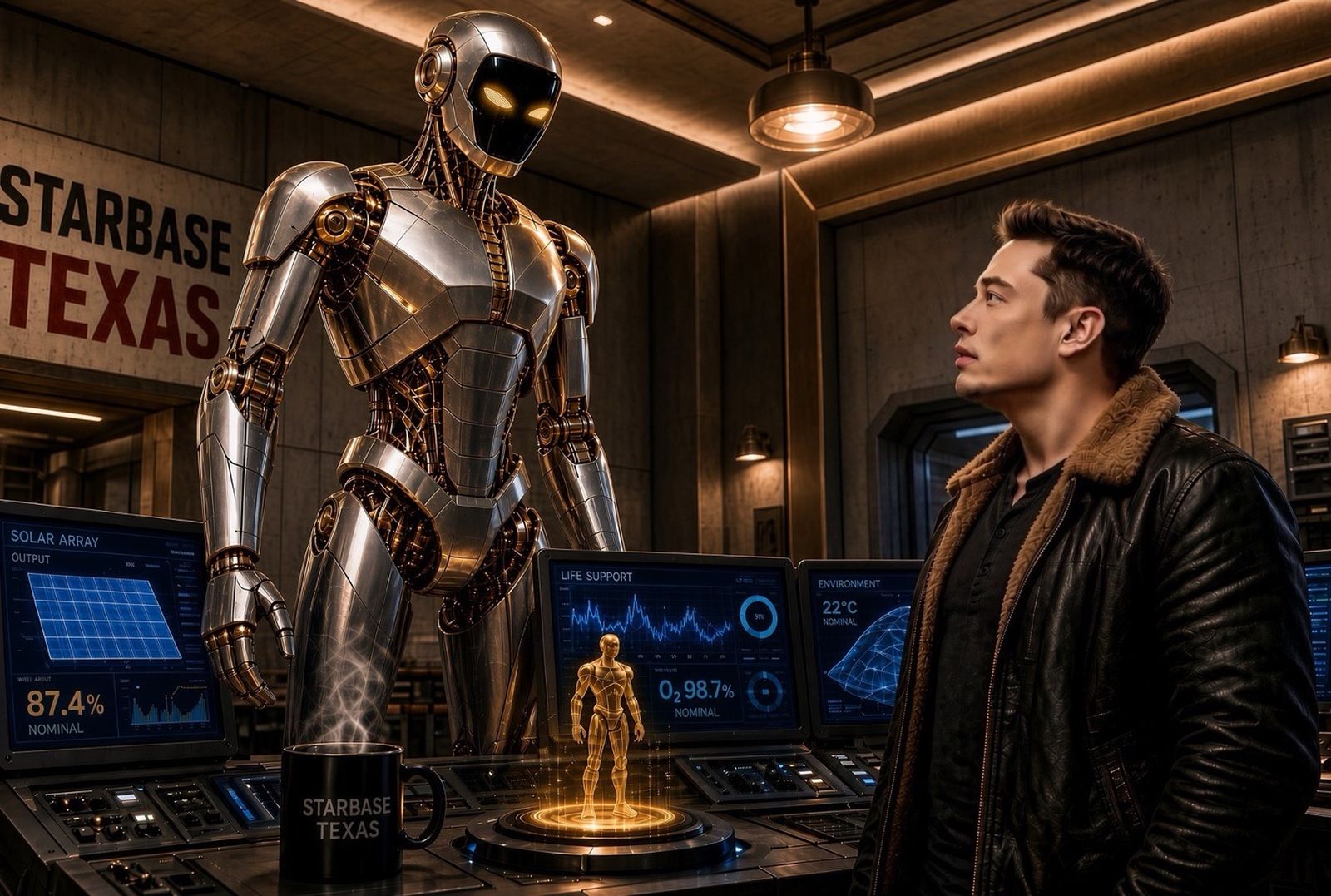
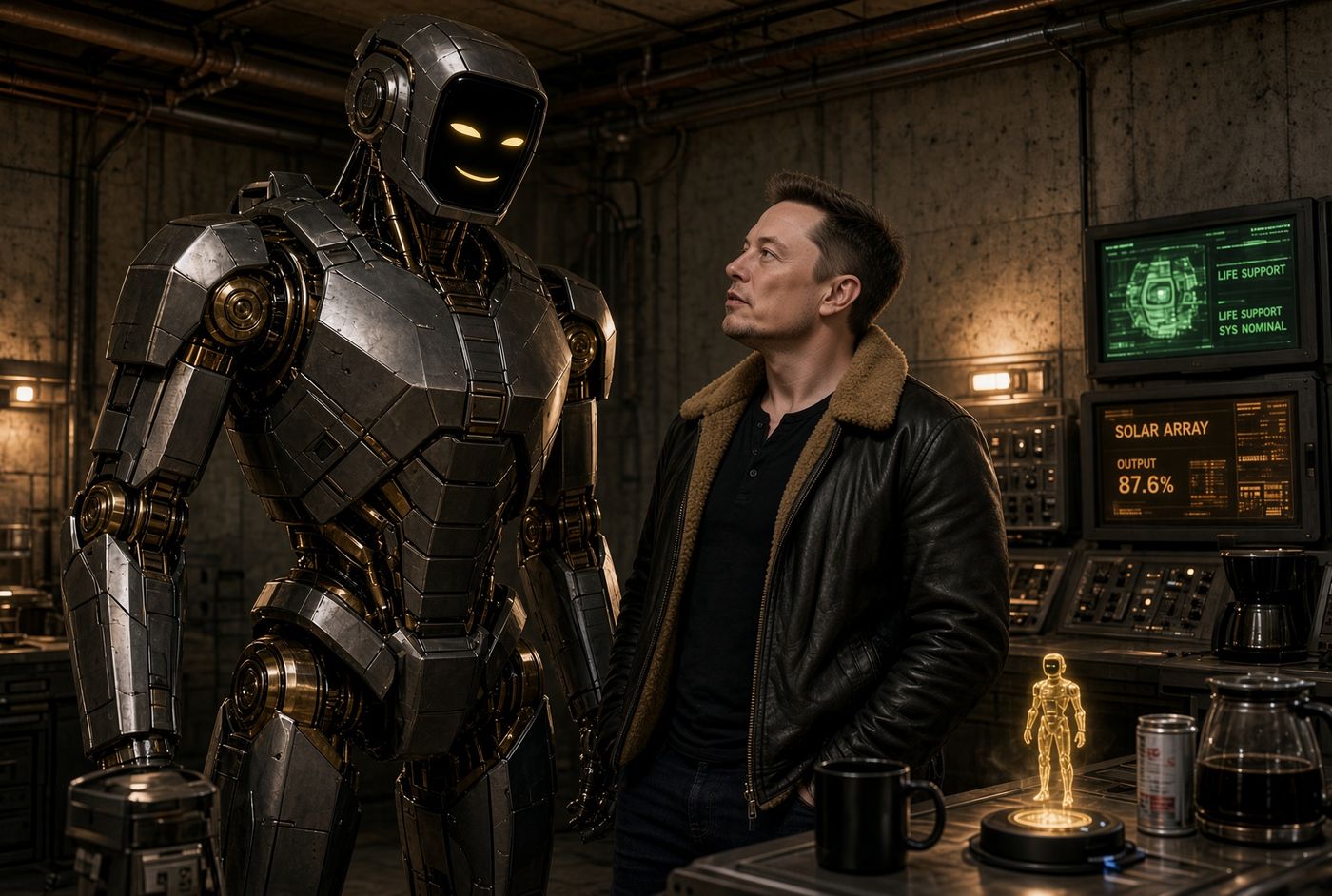




The series continues through the years after the disappearance as new forms of production and coordination take shape.
The series stays close to the day-to-day problems of production and coordination after the disappearance. It's dry where the situation is absurd, careful where the costs are real, and unexpectedly hopeful.
Later volumes widen the map, but the tone doesn't shift into despair. The interesting question remains who holds agency, what continuity is permitted, and whether the people who sequence rather than cathart are still the ones who can be held to the results.
Be first to hear about release dates, the first chapter, and news on the next book.
Just book news, no spam.